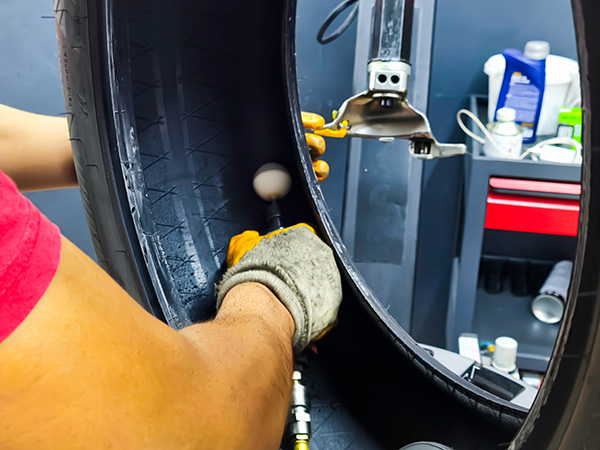
A nail in the tire is annoying, but a nail in the sidewall tends to spark a different kind of worry. You look at the hole, it seems small, and you start doing the math in your head. Can it be patched, or are you really about to buy a tire over one little puncture?
The frustrating part is that sidewall damage can look harmless while hiding the exact kind of weakness you do not want at highway speed.
How Sidewall Damage Is Different From Tread Damage
The tread area is built to take abuse. It is thicker, reinforced differently, and it meets the road in a more predictable way. When a nail punctures the tread, a proper plug-and-patch repair can sometimes be safe, depending on the location and the condition of the tire.
The sidewall has a different job. It flexes constantly, absorbs bumps, and supports the weight of the vehicle while the tire rotates. That flexing is the reason sidewall punctures are treated more seriously, because a repair has to survive thousands of bend cycles, heat cycles, and impacts without letting air escape or the structure weaken.
Why Sidewall Patches Usually Do Not Hold Up
Most tire repairs rely on a stable surface. A patch inside the tire needs an area that stays relatively flat and does not stretch much. The sidewall stretches and flexes every time the tire rolls, and that movement can work against the bond of a patch over time.
More importantly, a nail in the sidewall can damage the cords inside the tire. Those cords are like the tire’s skeleton. Even if you seal the air leak, you cannot restore a cut or weakened cord structure with a patch. That is why sidewall punctures are often treated as non-repairable, not because shops want to sell tires, but because the failure mode can be sudden and ugly.
When A Sidewall Nail Hole Looks Small But Still Matters
A puncture near the shoulder, where the tread transitions into the sidewall, can be especially tricky. It might look like a tread puncture from one angle and a sidewall puncture from another. That gray area is where you need a careful inspection, because repairability depends on the exact location and what happened inside the tire.
You also have to consider how long it has been driven on. If the tire has been low on air, even briefly, the sidewall can overheat and weaken from the inside. That damage may not show up as a visible bulge right away. It can show up later as vibration, a bubble, or a blowout, which is not the kind of surprise you want.
What A Proper Tire Inspection Should Check First
Before anyone makes a call, the tire should be inspected inside and out:
- The exact puncture location, including whether it is in the repairable tread zone or truly in the sidewall area
- Internal cord condition around the puncture, looking for tearing, fraying, or separation
- Evidence of being driven underinflated, like scuffing or shredded rubber on the inner sidewall
- The size and angle of the puncture channel, since an angled puncture can create a larger internal injury than it looks from the outside
- Overall tread depth and age, because replacing one tire on a worn set can create handling and traction issues
This is also where we can tell whether a simple repair is even on the table or if replacement is the safer and more responsible option.
Temporary Options If You Need To Get Home Safely
If the tire is losing air and you are stuck, the priority is reaching a safe place without further damaging the tire. A slow leak can sometimes be managed short-term, but it depends on how fast the pressure drops and how far you need to go.
If your vehicle has a spare, that is usually the cleanest short-term solution. If it is a compact spare, treat it like a short-distance tool, not a normal tire. If you have a tire inflator kit, it may help you hold pressure long enough to reach a shop, but it does not change whether the tire is repairable. If the tire is losing air quickly, driving on it can damage the sidewall and potentially the wheel, so towing may be the smarter option.
How To Replace One Tire Without Creating New Problems
When replacement is the answer, the next question is how to do it without upsetting the car's handling. If the other tires have a lot of wear, a brand-new tire can have a noticeably different diameter and grip level. That can matter for braking balance, traction control behavior, and handling.
On AWD vehicles, mismatched tire circumference also stresses the drivetrain over time. That is why matching tread depth and choosing the correct size and load rating matters. In our bays, we often see people replace a single tire quickly, then return with vibration, pulling, or warning lights that weren't there before. A little planning up front keeps the fix from creating a second problem.
Get Tire Replacement in Auburn, MA, with Fuller Automotive
We can inspect the puncture, check the inside of the tire for hidden damage, and tell you clearly whether a safe repair is possible or if replacement is the smarter call. We’ll also help you choose the right replacement plan so your vehicle stays stable and predictable, especially if you are replacing just one tire.
Call Fuller Automotive in Auburn, MA, to schedule a tire inspection and get back on the road with confidence.