Posted on 9/25/2026
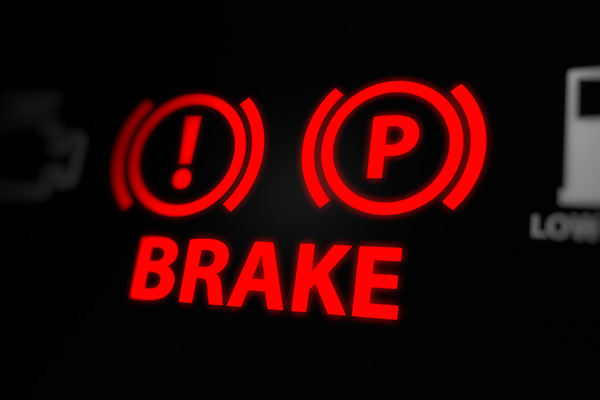
An electric parking brake should release with a button press or automatically when you shift into gear and begin moving. When it stays applied, the car may refuse to move normally, display a parking brake warning, or feel as if one or both rear wheels are being held back. Unlike an old mechanical handbrake, these systems rely on electric motors, switches, wiring, sensors, and control modules. A problem in any part of that chain can keep the brake from releasing. Before forcing the vehicle to move, it is worth finding out whether the problem is electrical, mechanical, or inside the brake caliper itself. A Weak Battery Can Keep the Parking Brake From Releasing Electric parking brakes need stable battery voltage to operate their motors. If the battery is weak, the system may have enough power to turn on the dashboard but not enough to move the parking brake actuators correctly. This sometimes happens after a car has been sitting for several days or after a difficult c ... read more
Posted on 8/28/2026

Vehicle recalls and technical service bulletins are often mentioned together, but they are not the same thing. A recall usually addresses a safety-related defect or a problem that prevents the vehicle from meeting a legal requirement. A technical service bulletin, usually called a TSB, is guidance from the manufacturer that helps technicians deal with a known repair pattern or operating concern. The difference is important because it affects who pays for the repair, whether the work is mandatory, and how quickly you should respond. A recall may require action even if your vehicle feels completely normal, while a TSB may only become relevant if your vehicle develops the specific symptom described in the bulletin. What a Vehicle Recall Means A recall is issued when a manufacturer or government safety agency determines that a vehicle, part, or system has a safety defect or does not comply with a required standard. Recalls can involve brakes, airbags, steering, fuel sys ... read more
Posted on 7/31/2026

Long drives can become tiring even when the road is familiar, and traffic is light. After an hour or two, attention starts to wander. A driver may check the phone more often, miss signs, drift within the lane, or realize they cannot remember the last several miles. Staying focused takes more than willpower. The best approach is to reduce distractions before the trip, plan breaks, keep the cabin comfortable, and recognize when fatigue is starting to affect your reactions. A few simple habits can make a long drive feel calmer and much safer. Set Up Everything Before You Start Driving Many distractions begin because something was not prepared before the vehicle started moving. Enter the destination into the navigation system, choose music or a podcast, adjust mirrors, set the climate controls, and place drinks where they are easy to reach. Those small steps prevent repeated glances away from the road later. It also helps to organize the cabin. Loose bags, charging cab ... read more
Posted on 6/26/2026

A blinking check engine light can make a normal drive feel stressful fast. One minute the car is moving along, and the next it starts shaking, hesitating, or feeling weak, with the light flashing on the dashboard. That blinking light is not the same as a steady warning. In many cases, a blinking check engine light points toward an active engine misfire. Spark plugs and ignition coils are two common causes, but they are not the only possibilities. The important part is finding out whether the engine is losing spark, fuel, compression, or another part of the combustion process. What A Blinking Check Engine Light Usually Means A steady check engine light means the vehicle has detected a fault that needs attention. A blinking check engine light is more urgent because it often means the engine is misfiring right now. A misfire happens when one or more cylinders fail to burn fuel correctly. That can send unburned fuel into the exhaust system. If the vehicle continues to ... read more
Posted on 5/29/2026
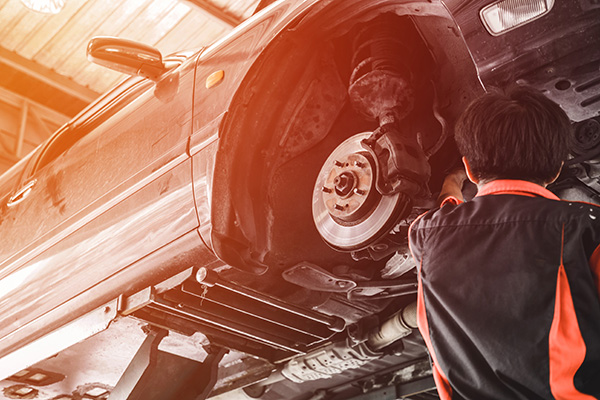
An ABS light and a traction control light showing up together can make the car feel like it has two separate problems. Sometimes it does. A lot of the time, though, both warnings start from the same place: one wheel is no longer reporting clean speed information. That is where the ABS sensor comes in. A small sensor near the wheel can affect braking support, traction control, stability control, and sometimes even hill-start or all-wheel-drive behavior. When the signal drops out, the car loses part of the information it uses to keep the tires under control. What The ABS Sensor Does Each ABS sensor watches wheel speed. The vehicle compares those readings constantly, especially during braking, acceleration, and slippery-road driving. If one wheel slows down too quickly during braking, the ABS can pulse brake pressure to help prevent lockup. Traction control uses the same type of information from the opposite side of the problem. If one wheel spins faster than the oth ... read more
Posted on 4/30/2026

There is nothing like heading out on a long road trip with a full car, a packed trunk, snacks within reach, and everyone ready to get moving. But when the air conditioning is not up to the job, that fun can wear off fast. A vehicle that feels a little warm on your daily commute can feel downright miserable after hours on the road, especially when you have kids in the back seat, older passengers who are more sensitive to heat, or a car full of people trying to stay comfortable in summer traffic. At our shop, we see this every year. A driver comes in after noticing the A/C is “not quite as cold as it used to be,” but they have been putting off having it checked. Then a road trip is coming up, and suddenly that small issue matters a lot more. Long drives put extra demands on your vehicle, and your A/C system is no exception. If it is already struggling, a hot day, a full cabin, and hours of driving can push it over the edge. The good news is that a little preparation can go ... read more
Posted on 3/27/2026

A dead battery is annoying because it usually happens when you least need the hassle. The car drove fine yesterday, you park it, and then the next morning it barely clicks or does nothing at all. When a battery drains while the car is off, the problem is usually either a weak battery that can’t hold a charge anymore or something in the vehicle staying awake and drawing power. Finding which one it is keeps you from replacing parts blindly. Why Batteries Go Dead Overnight A healthy battery should hold enough charge to start the car after sitting for days, not hours. If it’s dying overnight, that typically points to one of two scenarios. The battery is near the end of its life, or there is a parasitic draw, meaning an electrical load is pulling power when the vehicle should be asleep. Weather can make it feel worse. Cold reduces battery output, so a borderline battery can look fine in warm weeks and fail suddenly when temperatures drop. That’s why te ... read more
Posted on 2/27/2026
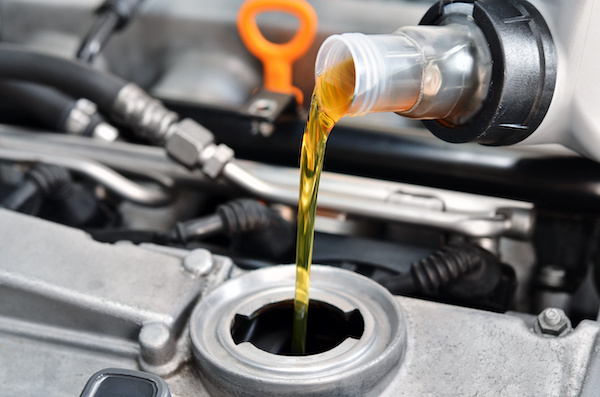
Choosing the right oil for your engine can feel confusing. Walk into an auto parts store or scroll online, and you’re hit with shelves full of bottles claiming better protection, longer life, and improved performance. It’s easy to assume oil is oil and grab whatever looks right. The truth is, using the correct oil for your engine plays a huge role in how well your vehicle runs, how long it lasts, and how much you spend on repairs down the road. Modern engines are built with tighter tolerances and advanced systems that depend on specific oil types. Using the wrong oil doesn’t usually cause immediate failure, but over time it can lead to poor fuel economy, increased wear, sludge buildup, and even engine damage. Knowing how to find the recommended oil for your engine puts you in control of your vehicle’s health. Start With the Owner’s Manual The most reliable source for your engine’s recommended oil is the owner’s manual. Automakers d ... read more
Posted on 1/30/2026

A nail in the tire is annoying, but a nail in the sidewall tends to spark a different kind of worry. You look at the hole, it seems small, and you start doing the math in your head. Can it be patched, or are you really about to buy a tire over one little puncture? The frustrating part is that sidewall damage can look harmless while hiding the exact kind of weakness you do not want at highway speed. How Sidewall Damage Is Different From Tread Damage The tread area is built to take abuse. It is thicker, reinforced differently, and it meets the road in a more predictable way. When a nail punctures the tread, a proper plug-and-patch repair can sometimes be safe, depending on the location and the condition of the tire. The sidewall has a different job. It flexes constantly, absorbs bumps, and supports the weight of the vehicle while the tire rotates. That flexing is the reason sidewall punctures are treated more seriously, because a repair has to survive thousands of be ... read more