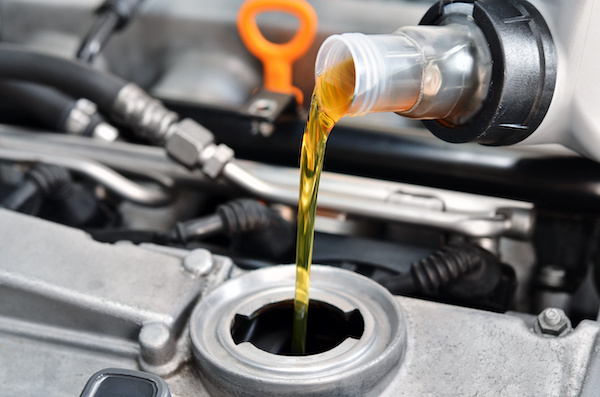
Choosing the right oil for your engine can feel confusing. Walk into an auto parts store or scroll online, and you’re hit with shelves full of bottles claiming better protection, longer life, and improved performance. It’s easy to assume oil is oil and grab whatever looks right. The truth is, using the correct oil for your engine plays a huge role in how well your vehicle runs, how long it lasts, and how much you spend on repairs down the road.
Modern engines are built with tighter tolerances and advanced systems that depend on specific oil types. Using the wrong oil doesn’t usually cause immediate failure, but over time it can lead to poor fuel economy, increased wear, sludge buildup, and even engine damage. Knowing how to find the recommended oil for your engine puts you in control of your vehicle’s health.
Start With the Owner’s Manual
The most reliable source for your engine’s recommended oil is the owner’s manual. Automakers design engines with exact specifications, and the manual spells out what oil meets those requirements. You’ll typically find this information in the maintenance or specifications section.
The manual will list two key things: oil viscosity and oil standards. Viscosity refers to how thick or thin the oil is, usually shown as something like 5W-30 or 0W-20. Those numbers aren’t random. They describe how the oil flows at cold start and at operating temperature, which is critical for proper lubrication. Oil standards, such as API or manufacturer-specific approvals, ensure the oil contains the right additives for your engine’s design.
If your manual lists multiple viscosities, it’s usually based on climate. Colder regions often require thinner oil for easier starts, while warmer climates may allow slightly thicker options.
Check Under the Hood
If the owner’s manual isn’t handy, your vehicle often gives you a backup. Many manufacturers place an oil specification label under the hood or on the oil cap itself. That small print can save you from guessing.
However, this information typically only shows viscosity, not the full oil standard. That’s still helpful, but it’s best used as a guide rather than the final answer. Combining this with the manual or a trusted repair shop’s advice gives you the safest result.
Understand Why Oil Type Matters
Oil does more than just lubricate moving parts. It helps cool the engine, cleans internal components, prevents corrosion, and supports systems like variable valve timing. Using oil that doesn’t meet your engine’s requirements can interfere with all of that.
Here are some common problems that can happen when the wrong oil is used:
- Increased engine wear due to improper lubrication
- Sludge buildup that restricts oil flow
- Reduced fuel efficiency
- Poor cold starts or excessive engine noise
- Potential damage to timing components and internal seals
Newer engines are especially sensitive because they rely on oil pressure and flow to operate advanced features. What worked in an older car may not work at all in a newer one.
Synthetic vs. Conventional Oil
Many drivers wonder whether synthetic oil is required or just a marketing upgrade. The answer depends on your engine. Some vehicles are designed to run on full synthetic oil only, while others allow conventional or synthetic blends.
Synthetic oil is engineered to provide better performance in extreme temperatures and longer intervals between changes. Engines with turbochargers, direct injection, or high compression often require synthetic oil because it handles heat and stress better. Using conventional oil in a synthetic oil-required engine can lead to faster breakdown and increased wear.
Don’t Rely on Guesswork or Old Habits
A common mistake is assuming all vehicles from the same brand use the same oil. Even within one model lineup, oil requirements can vary by engine size, year, and technology. Another mistake is sticking with what “worked fine” in a previous car. Engines evolve, and oil requirements change with them.
When in doubt, professional advice matters. A qualified technician can look up your vehicle's exact specifications and ensure the oil meets manufacturer standards, not just the viscosity requirement.
When Oil Recommendations Change
Manufacturers sometimes update oil recommendations after a vehicle is released. This can happen due to improved oil formulations or real-world performance data. Dealerships and professional repair shops stay current with these updates, so your original manual may not always reflect the best option years later.
This is another reason routine service at a trusted auto repair shop adds value beyond a basic oil change.
Trust the Experts in Auburn, MA, With Your Oil Change
Your engine is one of the most expensive components in your vehicle. Protecting it starts with something as simple as and as important as the right oil. Understanding where to find the recommended oil is a smart step, but having it installed correctly with quality parts and proper inspection makes an even bigger difference.
If you’re unsure which oil your engine needs or want the confidence that it’s done right, schedule an oil change service with the Fuller Automotive team today. We’ll make sure your vehicle gets exactly what it needs to run smoothly, efficiently, and reliably for miles to come.