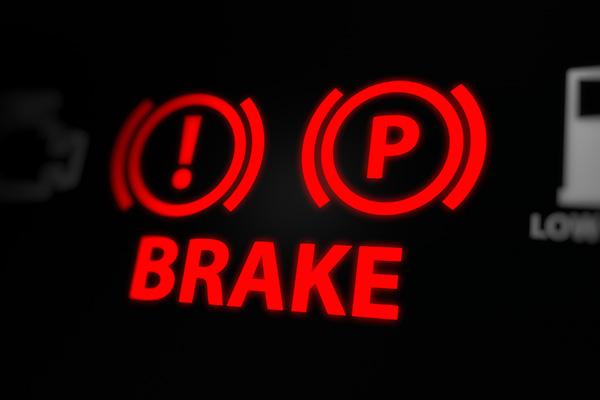
An electric parking brake should release with a button press or automatically when you shift into gear and begin moving. When it stays applied, the car may refuse to move normally, display a parking brake warning, or feel as if one or both rear wheels are being held back.
Unlike an old mechanical handbrake, these systems rely on electric motors, switches, wiring, sensors, and control modules. A problem in any part of that chain can keep the brake from releasing. Before forcing the vehicle to move, it is worth finding out whether the problem is electrical, mechanical, or inside the brake caliper itself.
A Weak Battery Can Keep the Parking Brake From Releasing
Electric parking brakes need stable battery voltage to operate their motors. If the battery is weak, the system may have enough power to turn on the dashboard but not enough to move the parking brake actuators correctly.
This sometimes happens after a car has been sitting for several days or after a difficult cold start. You may see several warning lights at once because low voltage affects multiple control modules. We check battery condition and system voltage early in the inspection because replacing parking brake parts will not help if the real problem is inadequate electrical power.
The Parking Brake Motor Can Fail
Many electric parking brake systems use small motors mounted directly on the rear brake calipers. When you press the switch, those motors turn a mechanism that applies or releases the brake.
Motors can wear internally, seize, or get damaged if moisture enters the housing or connector. A failed actuator may leave one rear brake applied while the other releases normally. Sometimes you can hear one motor operating and the other staying silent, which gives us a useful clue about where to start checking.
A Seized Rear Caliper Can Hold the Brake On
The electrical side can work perfectly while the brake itself stays stuck. Corrosion, damaged internal threads, worn caliper components, or a seized piston can stop the mechanism from backing off.
This is especially important on vehicles driven in wet or salty conditions. If the motor tries to release the brake but the caliper cannot move, forcing the actuator repeatedly can damage the motor or gears. We check whether the caliper can move mechanically before assuming every electric parking brake warning is caused by electronics.
Damaged Wiring or Connectors Can Interrupt the Command
Parking brake motors are mounted close to the wheels, where wiring is exposed to water, dirt, road salt, and suspension movement. A broken wire or corroded connector can stop power from reaching the actuator.
Some common clues include:
- Parking brake warning stays on
- One rear wheel remains locked
- No motor sound from one side
- Brake works intermittently after bumps or wet weather
- Warning appears after rear brake work
- Parking brake switch does nothing
When these symptoms appear, checking power, ground, connector condition, and wiring continuity can save the cost of replacing a motor that still works.
The Parking Brake Switch Can Wear Out
The button or switch you use inside the cabin is another possible failure point. Internal contacts can wear, or spilled liquid and dirt can interfere with the switch.
A failed switch may stop sending the release command even though the actuators and calipers are fine. Depending on the vehicle, scan data can show whether the control module is seeing the switch being pressed. That makes it possible to separate a bad control input from a problem farther back in the system.
Control Module or Sensor Problems Can Disable the System
Modern electric parking brakes communicate with the ABS, stability control, transmission, and sometimes the engine computer. The system may need to know brake pedal position, vehicle speed, gear selection, and other information before it allows automatic release.
If one of those signals is missing or implausible, the module can keep the brake applied or put the system into a fault mode. A wheel-speed sensor problem, brake pedal switch fault, communication issue, or internal module error can all affect operation. We review stored fault information and live inputs before deciding the parking brake module has failed.
Rear Brake Service Can Create Problems if the Correct Procedure Is Skipped
Many electric parking brake systems must be placed in service mode before removing the rear pads or calipers. The actuators need to retract in a controlled way so you can service the piston without damaging the motor or internal mechanism.
Trying to force the piston back like a conventional caliper can cause expensive damage on some designs. If the problem started immediately after rear brake work, we check whether the actuator was reassembled correctly and whether the system needs initialization or recalibration.
Do Not Keep Driving With a Brake Partially Applied
If the parking brake releases only partway, the vehicle may still move, but the affected brake can overheat quickly. A dragging rear brake generates enough heat to damage the pads, rotor, caliper, wheel bearing, and nearby components.
You may notice a burning smell, reduced acceleration, or one rear wheel becoming much hotter than the other. Regular maintenance helps us catch worn rear brakes and damaged wiring before they reach that point. If a wheel is clearly locked, towing the vehicle is safer than trying to overpower the brake with the accelerator.
Get Electric Parking Brake Service In Auburn, MA, With Fuller Automotive
If your electric parking brake will not release, keeps showing a warning, or leaves one rear wheel dragging, Fuller Automotive in Auburn, MA, can check the battery, actuators, rear calipers, wiring, switches, and control system to find what is holding the brake on.
Schedule an electric parking brake check before a stuck actuator or caliper causes additional brake damage.